
Public-service UX case study
Find a service by what happened.
A transport-service prototype turns a citizen’s situation into relevant guidance and a clear application path.
Independent prototype demonstrated with synthetic providers. This is not an official government service.
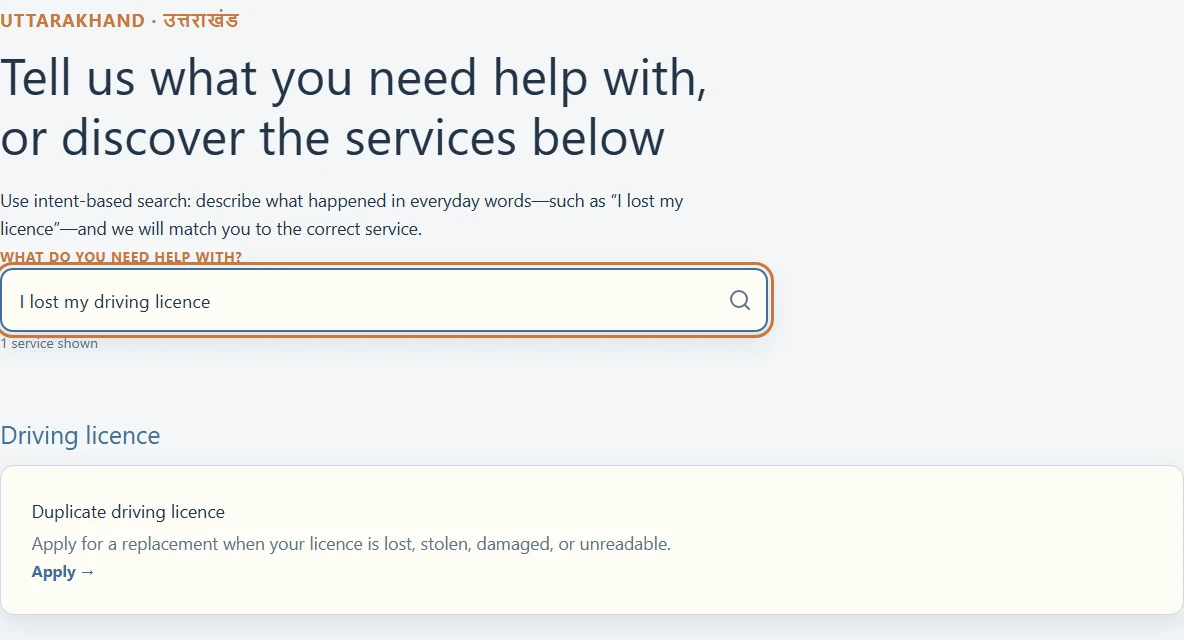
Intent matching
- What
- Ask what happened, then match ordinary language to a service in the selected state.
- Why
- Citizens can begin without knowing the administrative name of the service they need.
Output
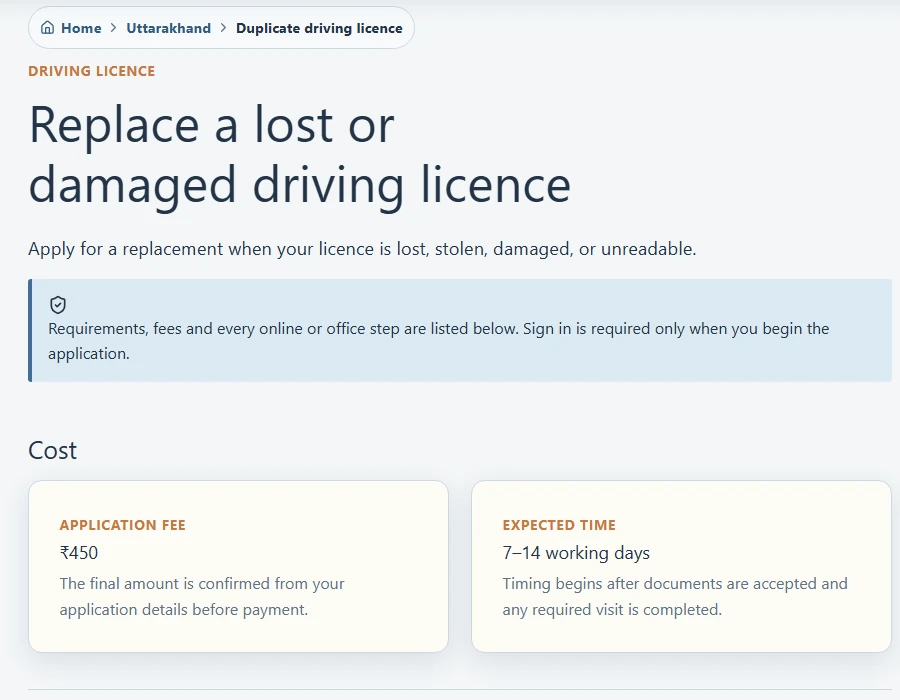
Public guidance
- What
- Explain the process, indicative costs and next steps before sign-in.
- Why
- Let citizens understand the journey before starting an application.
Output
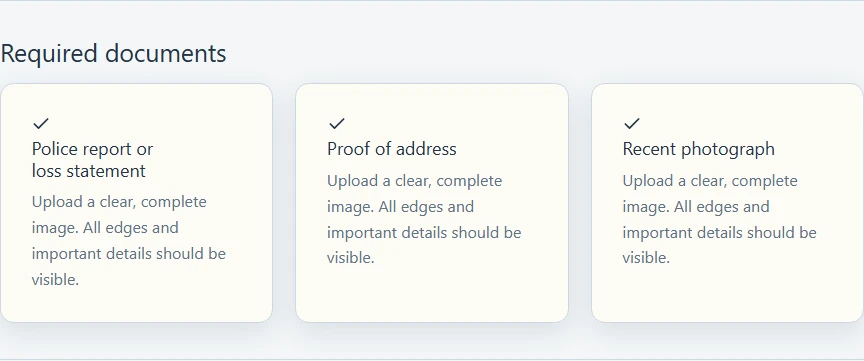
Document requirements
- What
- Show the document requirements for the matched service.
- Why
- Make preparation clear before the citizen reaches the upload step.
Output
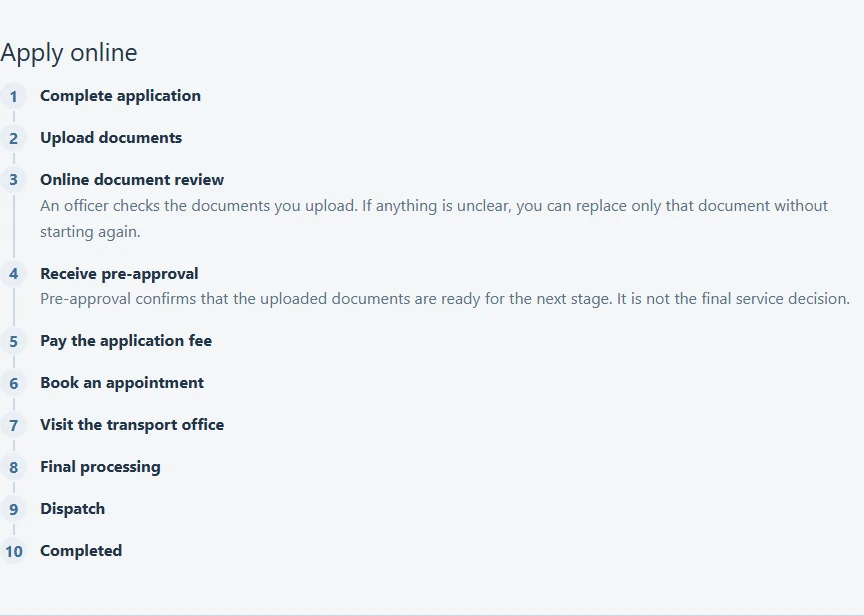
Workflow and recovery
- What
- Explain the application stages and allow unclear documents to be replaced.
- Why
- A correctable problem should not force someone to restart the journey.
Output
Bounded assistant actions
- What
- Eleven MCP tools support one Uttarakhand duplicate-licence journey.
- Why
- Limit assistant authority to defined actions and make important changes explicit.
Output
Authenticated tools prepare drafts, attach upload metadata and report status. Saving, synthetic payment and booking have separate confirmation gates. Document contents stay outside model context.